
Party Favor Math: Right Quantity, Cost & Extras
Plan party favors without overbuying: simple quantity rules, per-kid budget targets, assortment tips, and a day-of checklist for smooth distribution.
Start With Guest-Count Scenarios (and a Simple Buffer Rule)
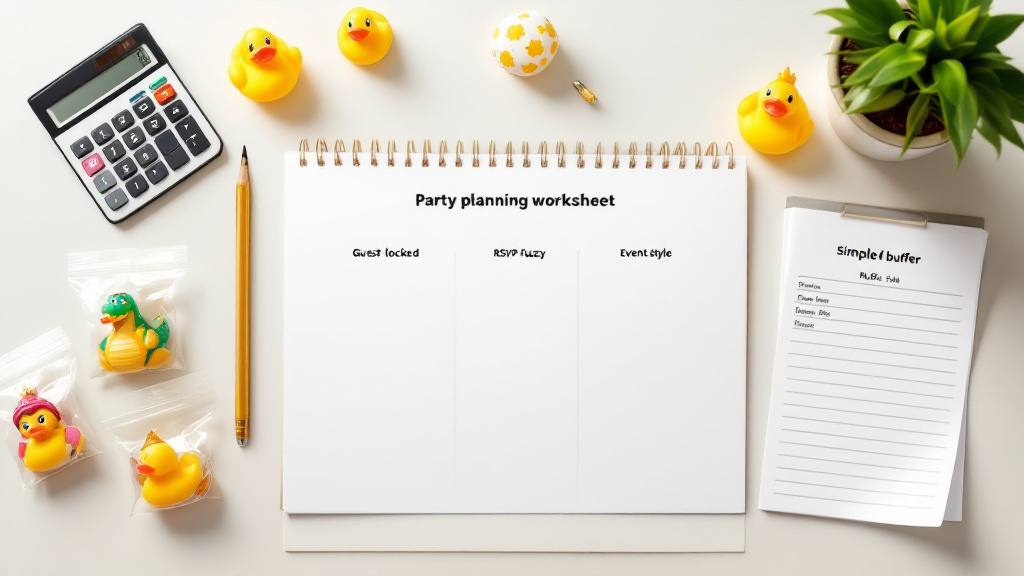
Planning party favors is mostly party planning math: match your favor count to the realistic number of kids who will leave with one, then add a buffer that prevents last-minute stress. First, decide which guest-count scenario you’re in: (1) RSVP-locked (small party, confirmed list), (2) RSVP-fuzzy (classmates, open invite), or (3) event-style (drop-ins, sports team families). Your scenario determines how conservative your bulk buying needs to be.
Use this framework: Base favors = expected attendees, then add a buffer based on uncertainty. For RSVP-locked: +5% (minimum 2 extras). RSVP-fuzzy: +10% to +15%. Event-style: +20% or a backup “bonus” bin. Example: expecting 24 kids for a dinosaur theme? Buy 24, then add 3–4 extras (10–15%) so you’re covered for siblings, last-minute yeses, or a lost bag. This approach prevents running out while avoiding the overbuy spiral that often derails budgeting for party favors.
Set a Per-Kid Cost Target and Choose Mixed vs. Uniform Themes
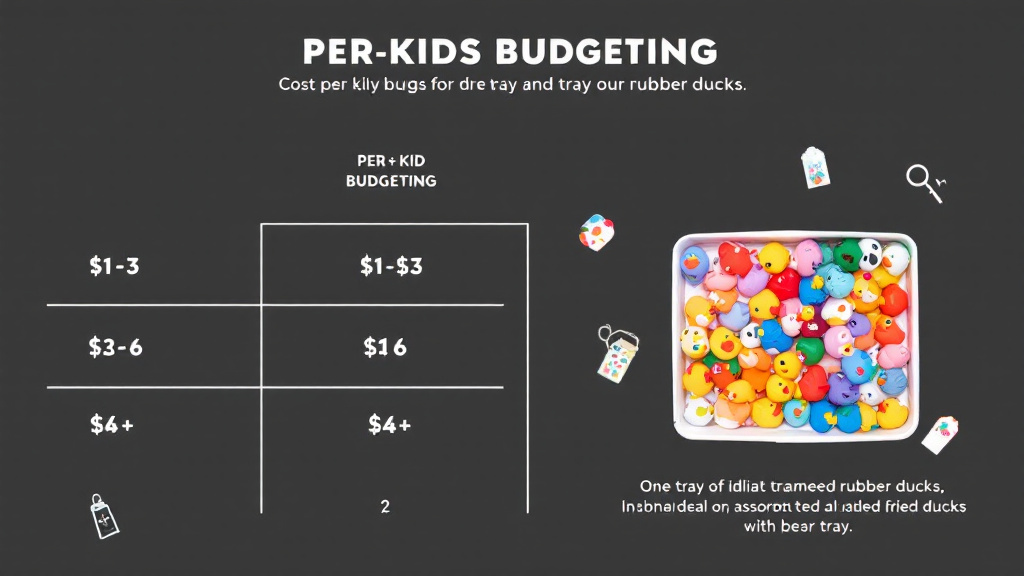
Next, set a per-kid cost target so your party favors don’t quietly become the biggest line item. A practical range is $1–$3 per kid for classroom-style parties, $3–$6 for smaller hosted parties, and $6+ if the favor is also a keepsake. Work backwards: Total favor budget ÷ expected kids = target, then compare single items vs. bundles. Tiered pricing often makes bulk buying cheaper than buying individual favors, especially when you need consistent sizing and packaging.
Then decide: uniform theme (everyone gets the same duck) or mixed assortment (variety pack). Uniform works best for tightly themed birthdays and photos; it’s also faster for distribution. Mixed assortments reduce “trade drama” and fit mixed-age groups—great for event planners managing larger crowds. A hybrid is often ideal: keep 80–90% uniform to match the theme, plus 10–20% variety as swaps or prizes. If you’re shopping at a specialty store like DuckyDelight Shop, filters by theme, size, and price help you hit your budgeting target while ensuring ducks look consistent in photos and fit the same bags.
Party-Day Checklist: Packaging, Distribution, and “Extras” That Save the Day
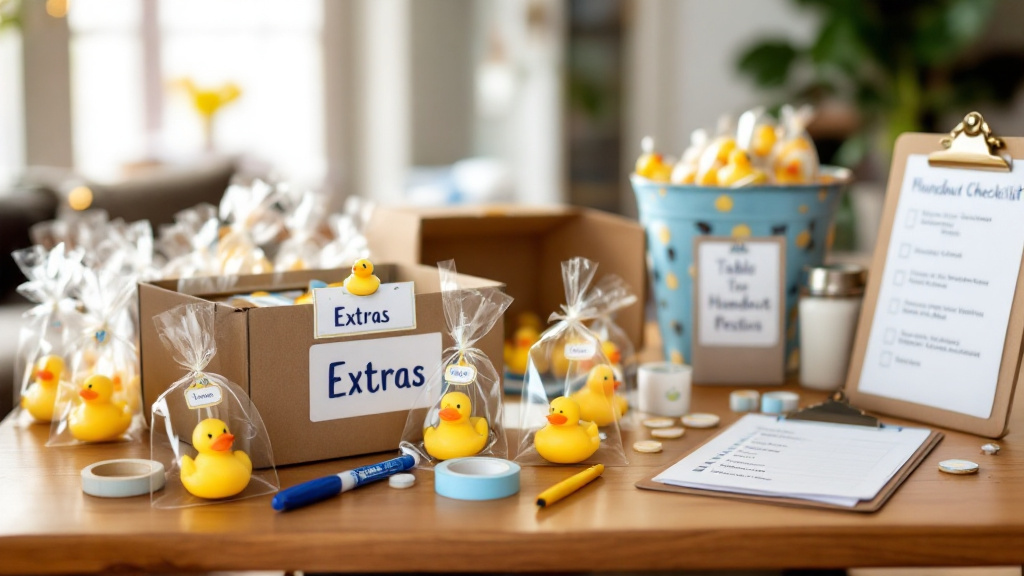
Even perfect party planning math can fall apart without a simple packing plan. Use this quick checklist: (1) count favors into labeled bins (main + extras), (2) pre-pack bags the night before, (3) include a name label for younger groups, (4) bring one roll of tape and a marker, (5) keep a small “oops kit” (2–5 spare bags, a few extra ducks, and replacement tags). If you’re adding candy or stickers, confirm school or venue rules and keep allergens separate.
For distribution, choose a method that matches your crowd: hand-out at the door (best control), table pick-up (fast for older kids), or end-of-party send-off (prevents mid-party distractions). Place your extras bin out of sight so it stays intact for late arrivals. Finally, for online orders, reliable tracking and clear sizing reduce surprises—especially when you’re ordering mini ducks for treat bags or larger ducks for centerpieces. A focused shop like DuckyDelight Shop makes it easier to confirm dimensions, bundle appropriately, and keep returns simple if the plan changes. Add this checklist to your checklists toolkit, and your party favors will feel effortless.